The Critical AI Fresk

A set of techniques that use large amounts of data to automate tasks or generate content. Recent AI systems, especially generative AI, demand growing energy, resources, and invisible human labor.
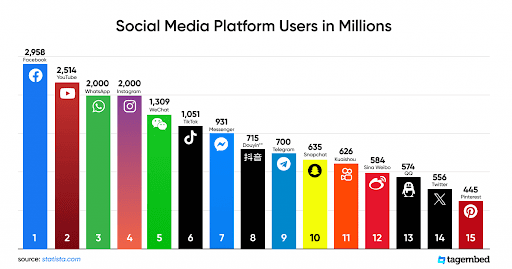
In 2024, over five billion people used social media platforms like Facebook, YouTube, Instagram, and TikTok. These platforms shape how people connect, interact, and get informed — while harvesting personal data and using AI to promote content that can reinforce bias, polarize opinions, and spread misinformation.
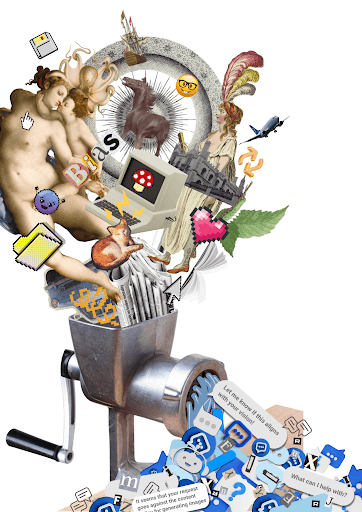
Raw information collected from our actions, devices, and environments. AI systems critically depend on massive amounts of data to function. But how data is collected, selected, and used is never neutral — it reflects power relations and can reinforce bias and inequality.

Algorithms can produce unfair or skewed outcomes that reflect biases in the training data or design choices. These biases can reproduce and even amplify existing forms of discrimination.

Disinformation is the dissemination of false or inaccurate information with the aim of causing serious harm, manipulating public opinion and even influencing elections. AI can help generate and automate the quick spreading of false information disguised as real news on social media.

The use of AI in sensitive areas (justice, employment, health, security) can perpetuate and amplify systemic oppressions, exposing gender minorities, racialized people and other marginalized groups to various forms of exclusion.
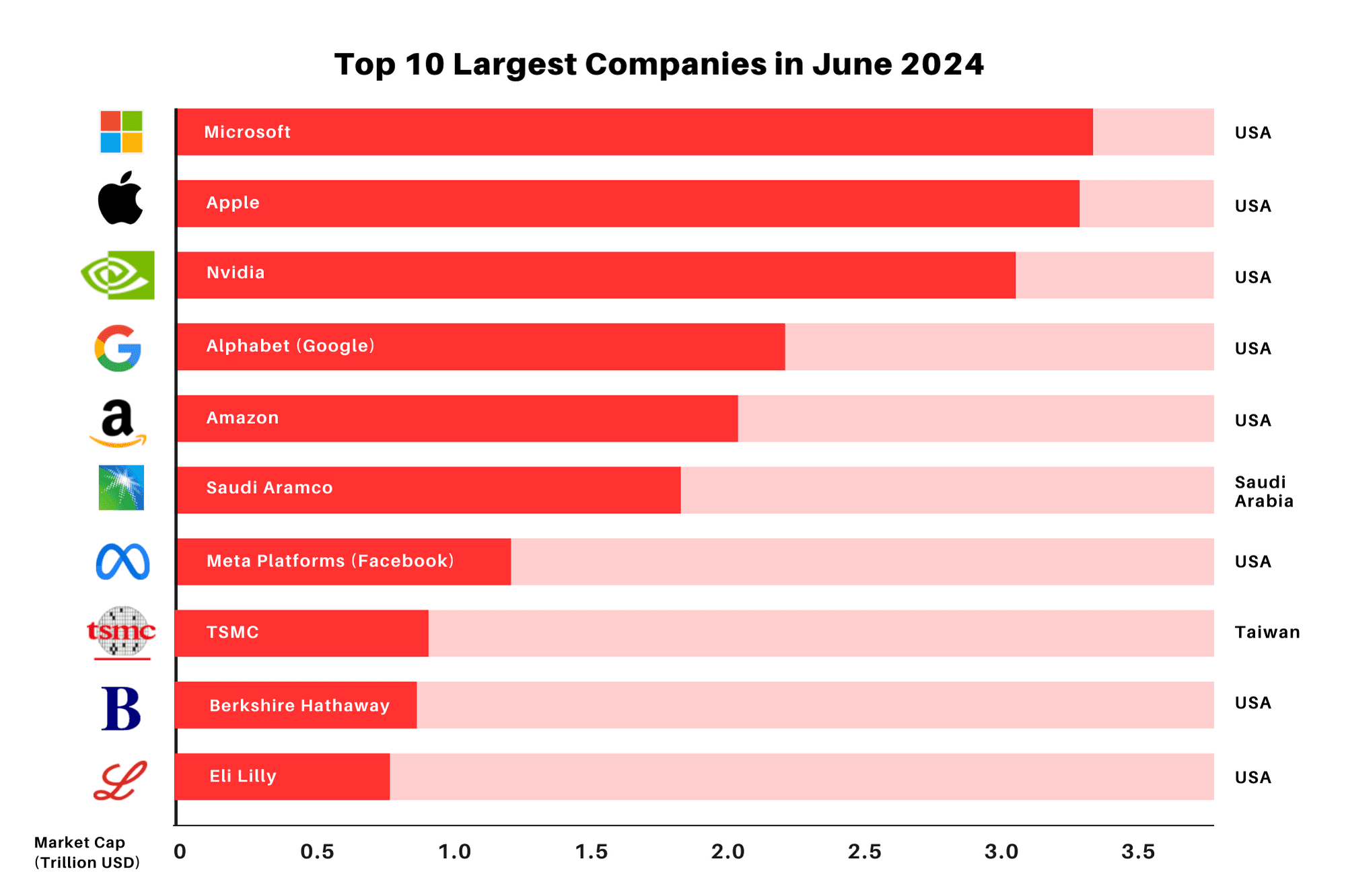
Tech giants like Google, Apple, Facebook (Meta), Amazon, and Microsoft control AI research, cloud computing, and massive datasets, influencing economies, politics, and privacy worldwide.

Algorithms that suggest content, products, or connections based on user data and behavior. Widely used on social media, streaming, and shopping platforms, they shape what people see and consume — often reinforcing existing preferences, biases, and filter bubbles.
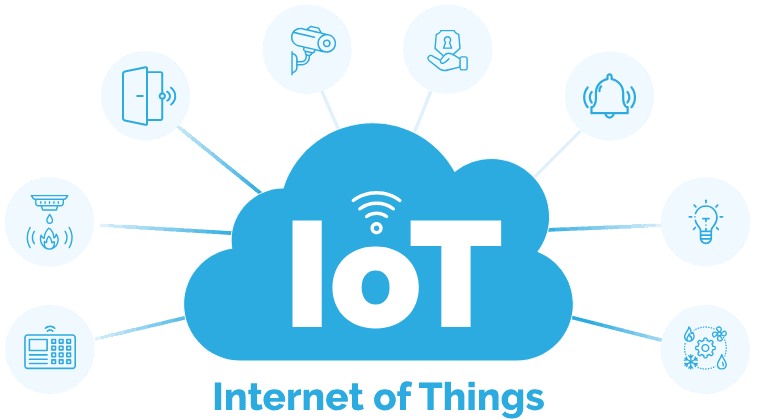
The Internet of Things (IoT) refers to a network of connected devices and sensors that capture and exchange a wide variety of data. IoT sensors are becoming increasingly embedded into our everyday life.

Big tech companies generate profits by keeping users engaged while feeding them a steady stream of targeted advertisements. Social media algorithms thus seek to maximize screen time through notifications, personalized content recommendations, and the amplification of sensational content.
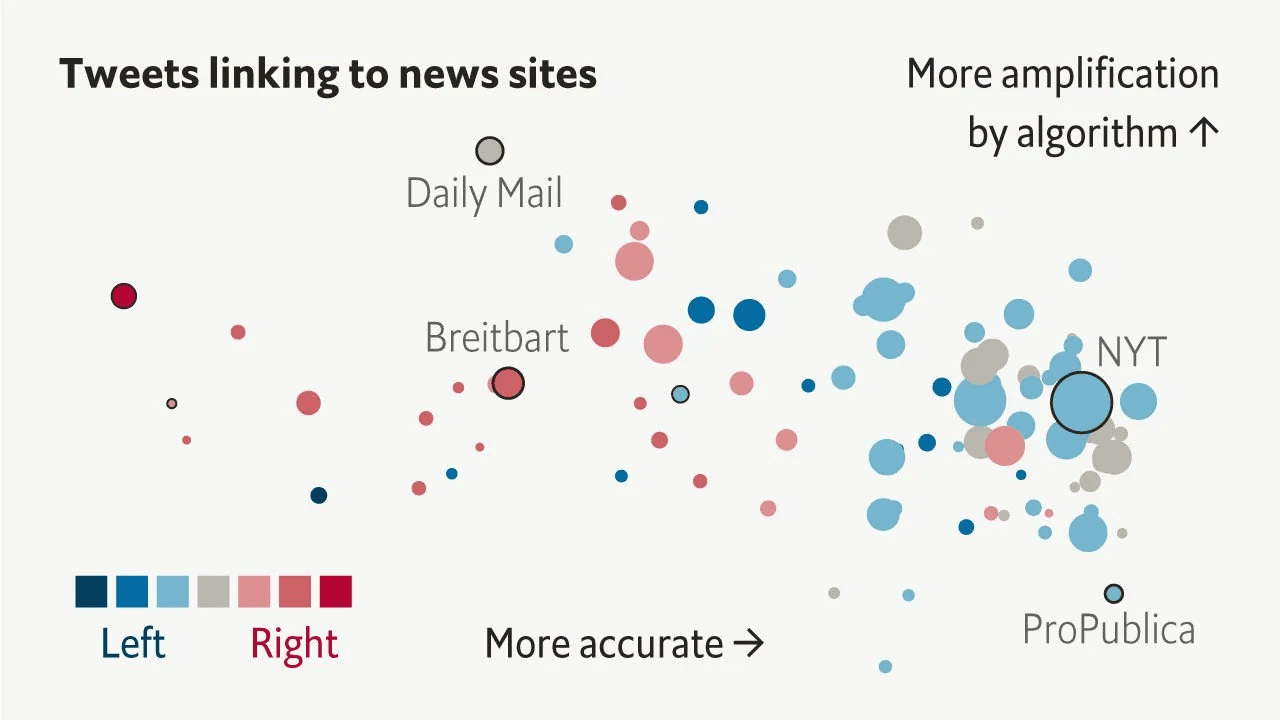
On social media, AI-driven amplification algorithms increase the reach of some speech and content, and suppress others. What is promoted and becomes viral online is often sensational or emotionally charged content because it attracts more attention.

Data extractivism refers to the large-scale capture, appropriation and exploitation of user data - such as behaviours or preferences - by tech corporations, often without proper consent and appropriate privacy protocols.
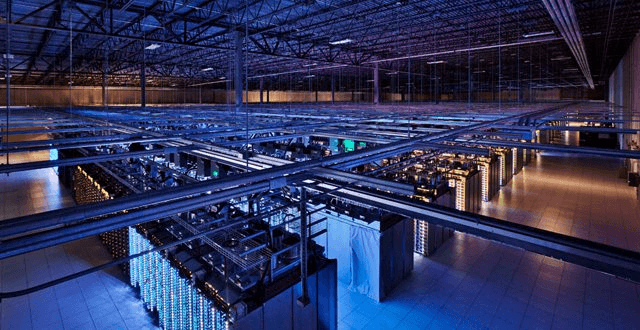
Data centers are giant warehouses filled with servers that store and process data.They consume enormous amounts of electricity and require large quantities of water for cooling.

AI-fueled online environments push people into ideological bubbles, amplifying extreme views and making dialogue between opposing groups more difficult, deepening divisions in society.
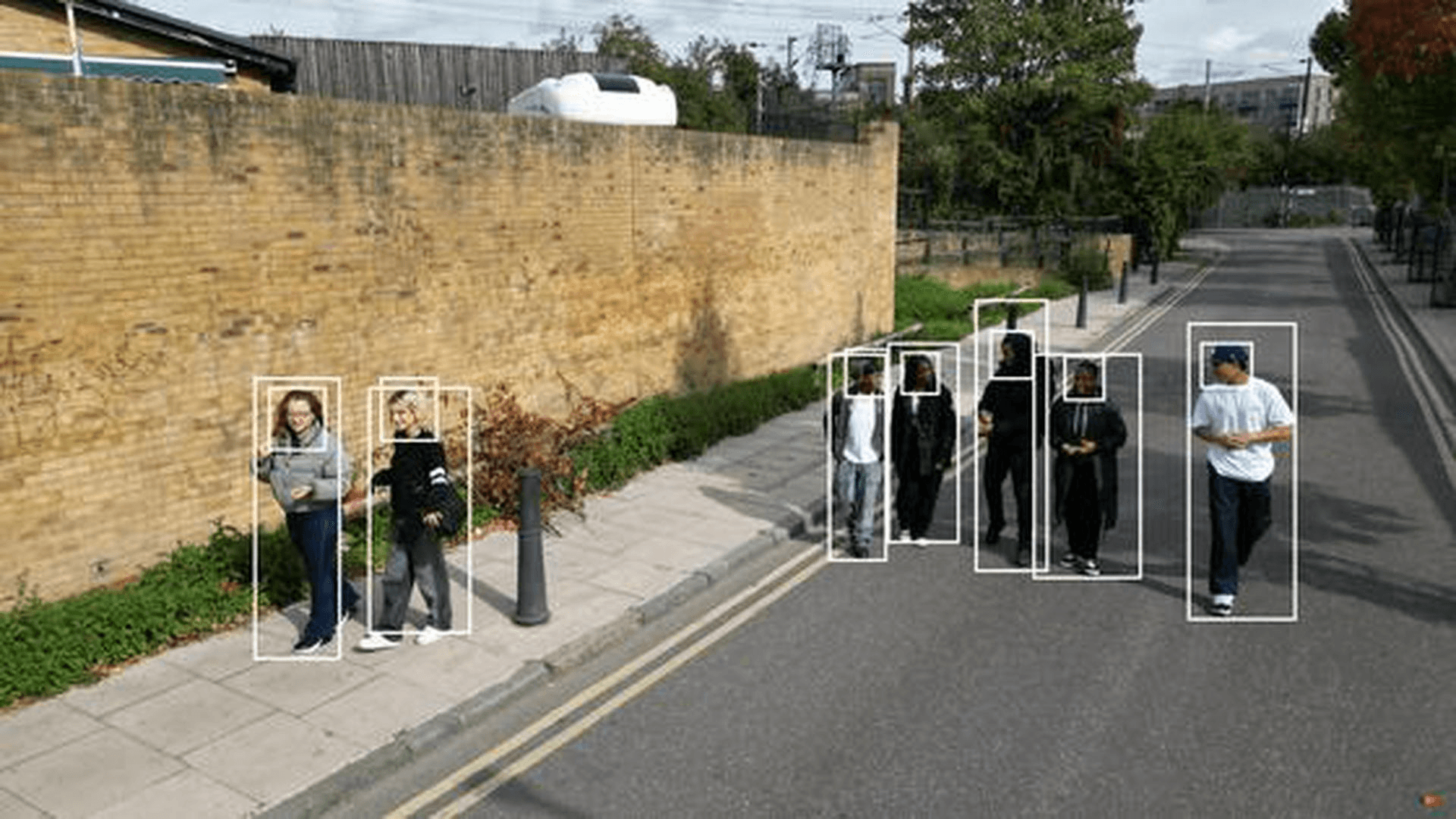
AI allows governments and corporations to "see" across the large amount of data they capture. It also automate surveillance processes, through computer vision and facial recognition.
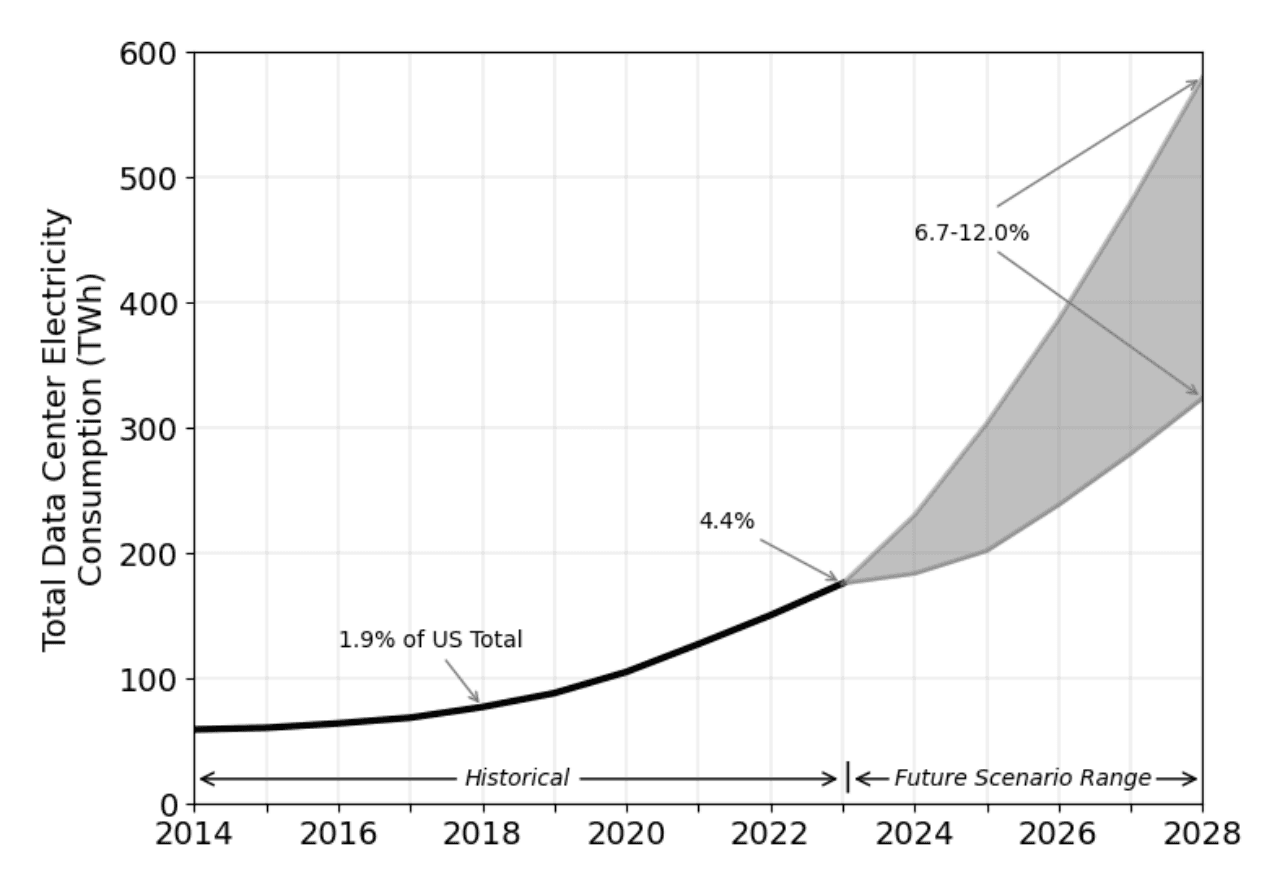
Data center electricity consumption, often sourced from fossil fuels, is growing due to cloud and AI-service demand.
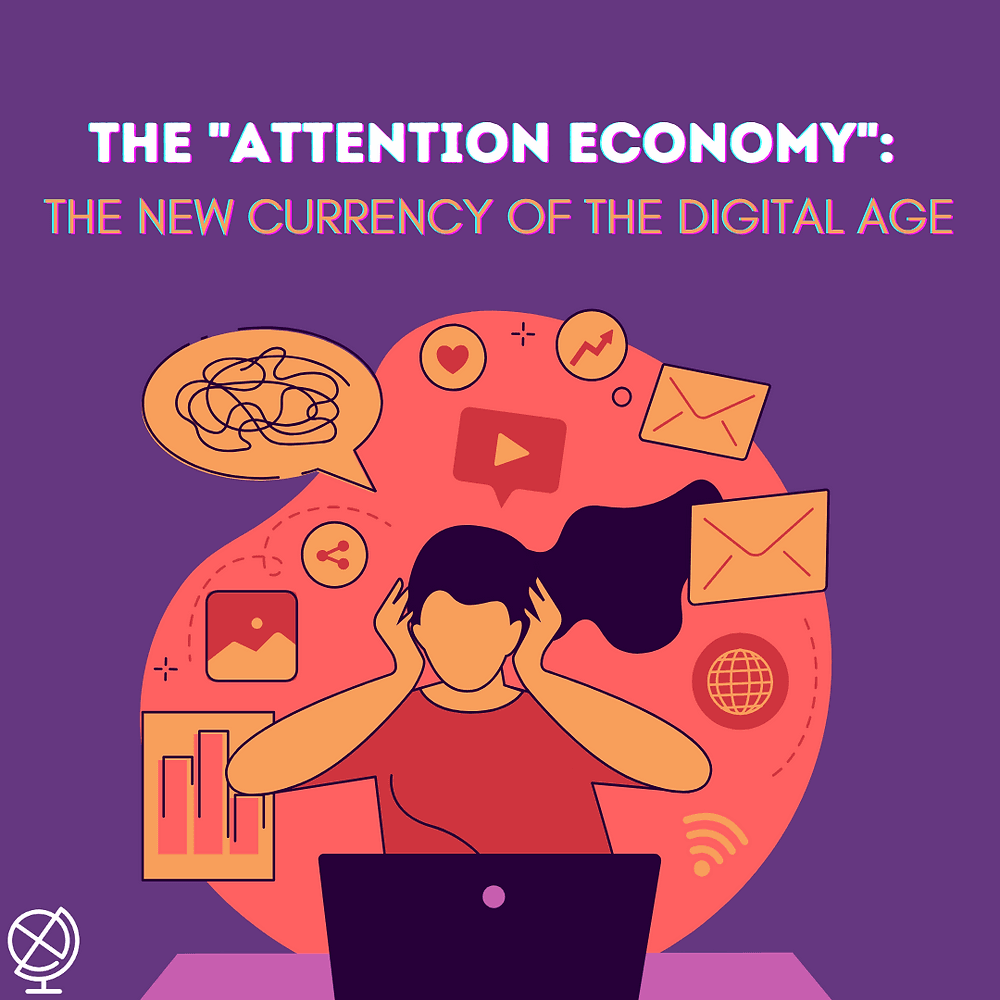
Various studies have reported links between social media use and increased levels of anxiety, stress, depression, and loneliness.
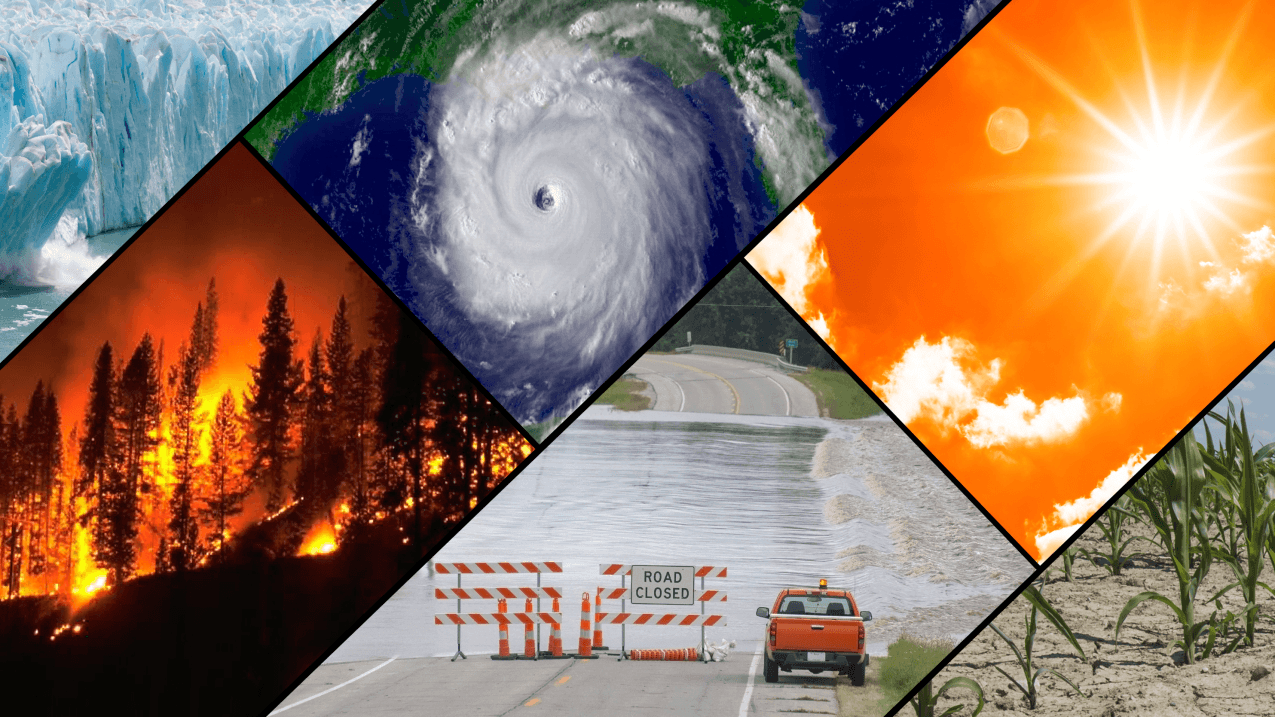
AI’s rapid expansion increases pollution, energy use, and electronic waste. While AI can help track climate change, its own footprint is often overlooked and is not made accessible by tech companies.

Weapons systems that can identify and strike targets without direct human control. Enabled by AI and sensors, they raise serious ethical concerns — from biased targeting and lack of accountability to the automation of lethal force. These systems contribute to the global arms race, reinforcing or challenging military hegemony as states compete to maintain domination on the world stage.

Some countries and corporations are engaged in a fierce race to secure their technological, economic and military advantage in AI, investing massively in its infrastructures.This competition fuels a climate of urgency that often sidelines ethical considerations and responsible oversight.

The process of labeling data so that AI systems can learn from it — for example, tagging images or rating text. Data annotation shapes how AI understands the world, but depends on large-scale manual work that remains largely invisible.
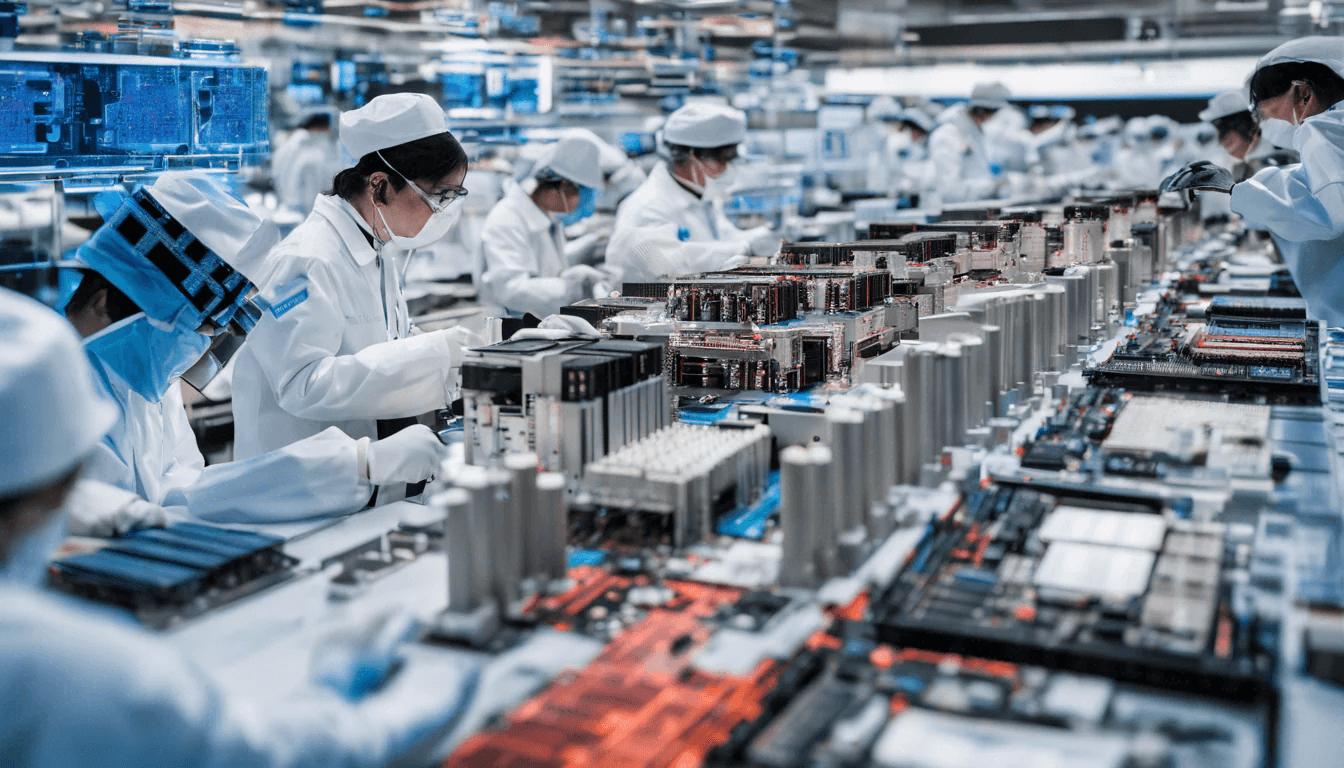
AI requires physical infrastructure -microchips, servers, and sensors - produced in complex and opaque global supply chains, often relying on exploited labor and environmentally harmful mining.
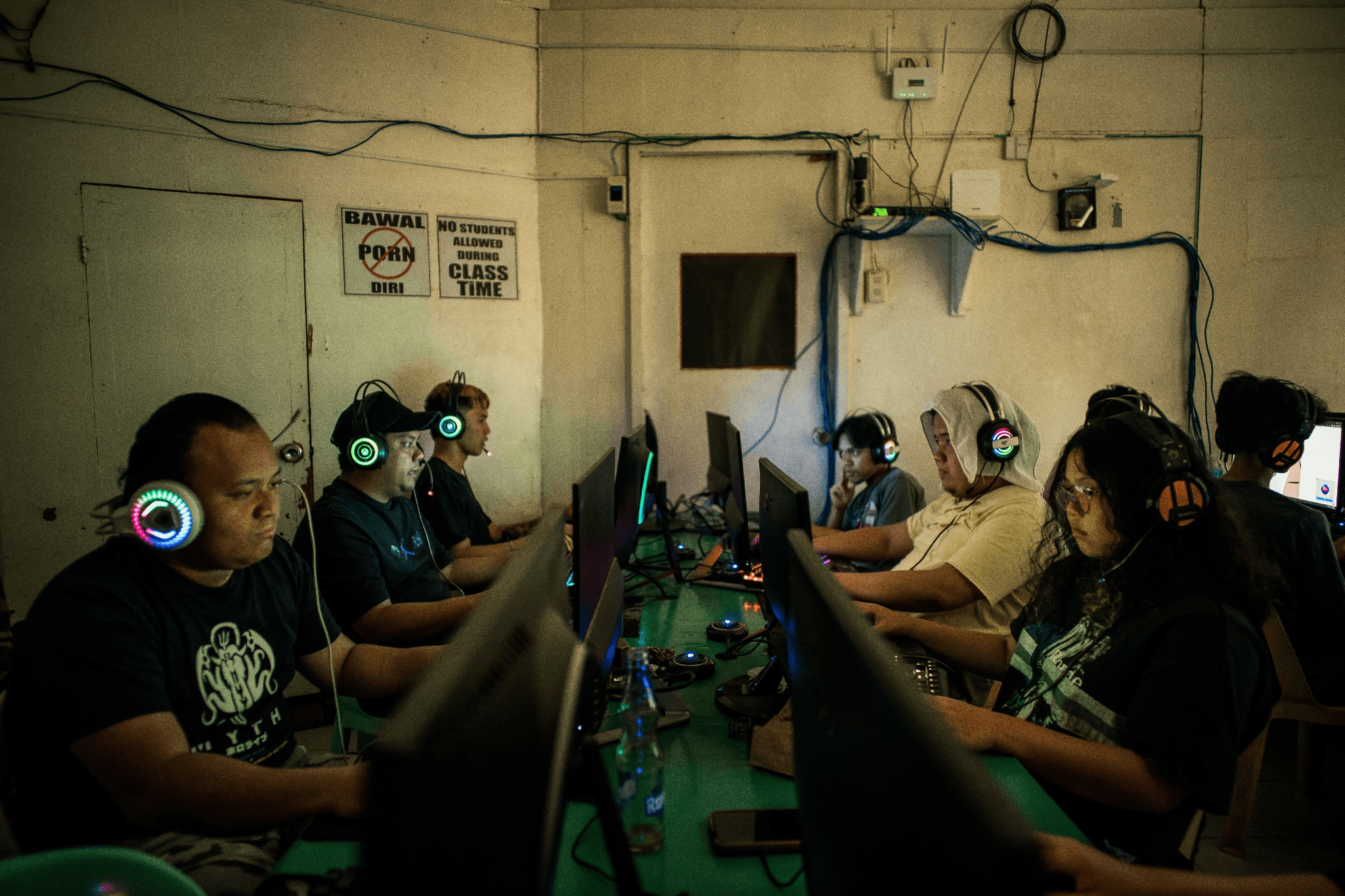
Behind AI automation are underpaid human workers who label data, moderate content, and fix AI mistakes. Mostly coming from countries located in the Global South, these "ghost workers" face poor conditions, low wages, and job insecurity.

Digital hardware are composed of a wide variety of metals like copper, lithium and cobalt.These minerals must be extracted from the earth's crust, sometimes under inhumane working conditions for the miners and refined through extremely polluting processes.

AI is reshaping global power struggles as it is used in cyberattacks, surveillance, and military operations. Control over AI research, data, and semiconductor supply chains fuels tensions between major powers.
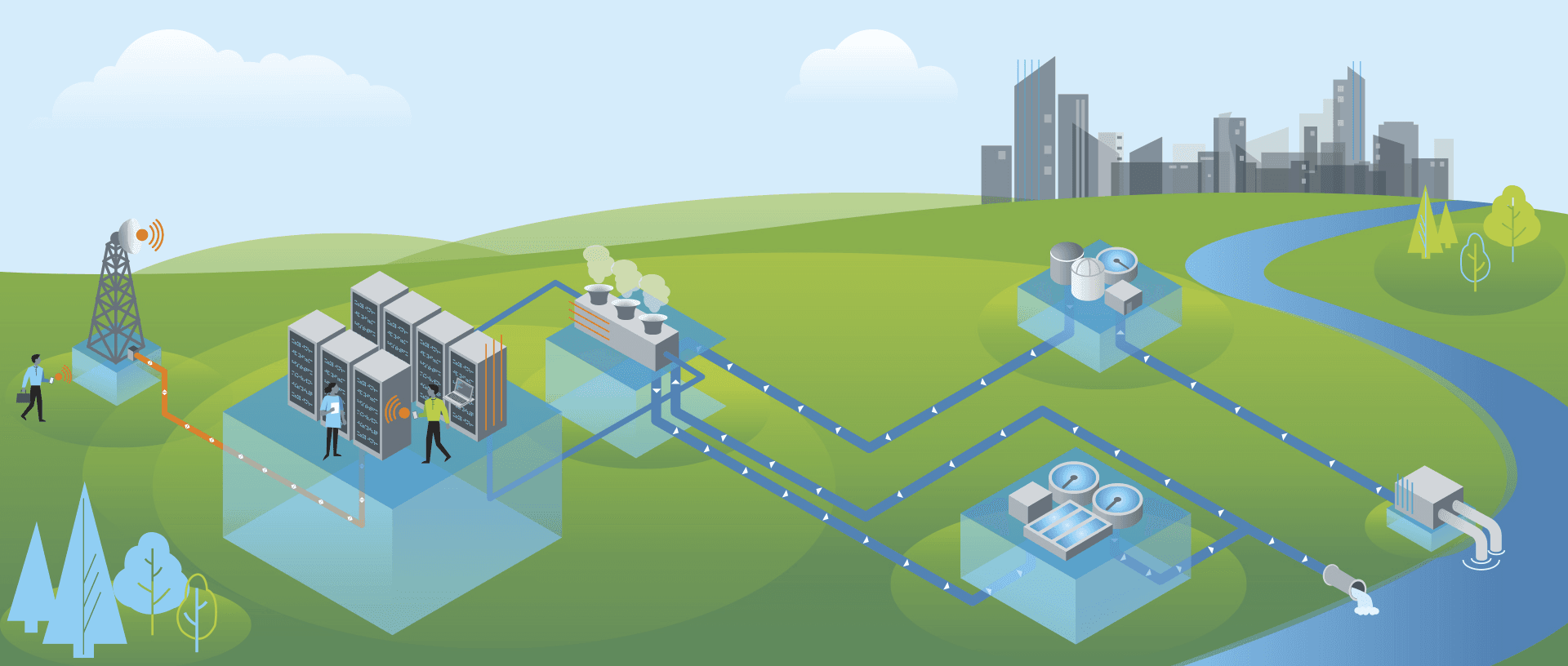
Data centers need massive amounts of water to cool servers, contributing to water shortages in already vulnerable regions.
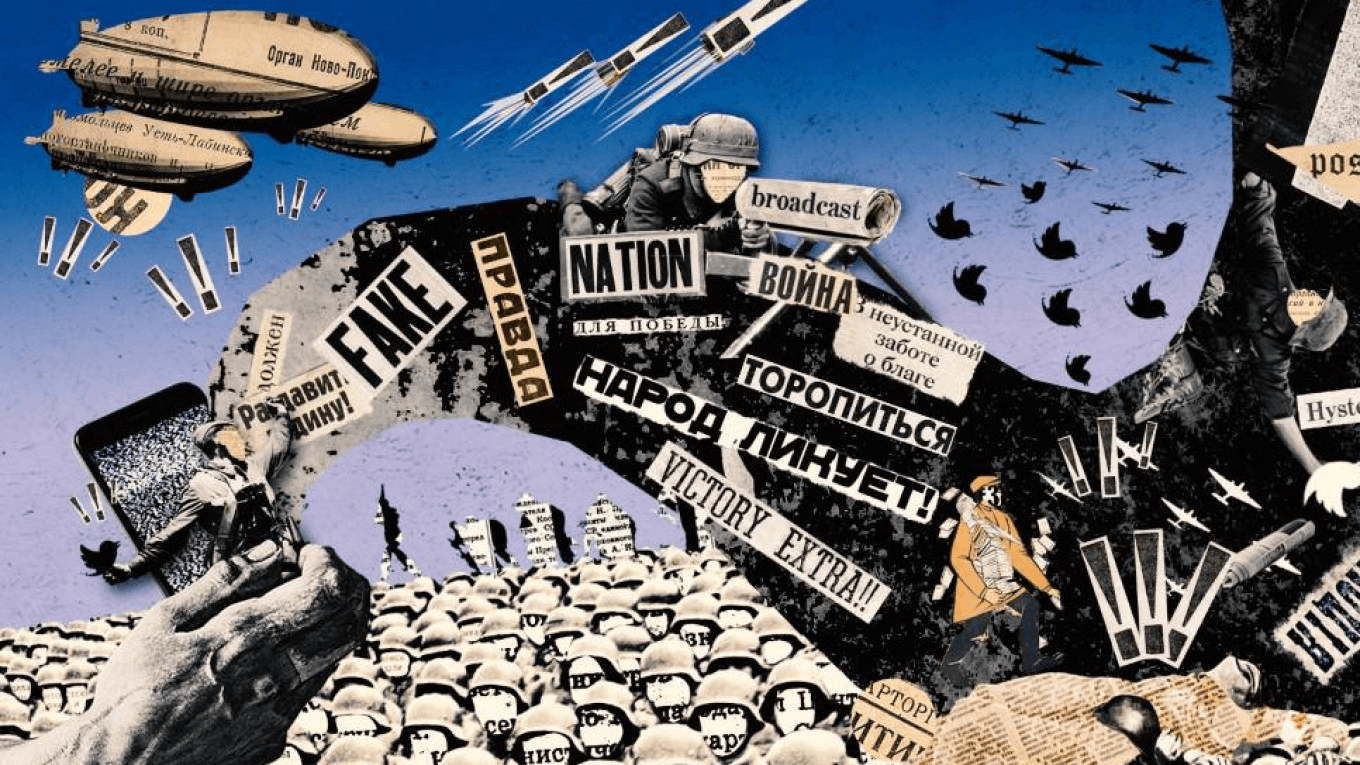
The strategic use of media, narratives, and digital platforms to influence opinions, shape perceptions, and advance political or economic interests. From propaganda to algorithmic manipulation, states and corporations use AI and social media to wage information warfare — often targeting marginalized groups, fueling polarization, and reinforcing global power imbalances.
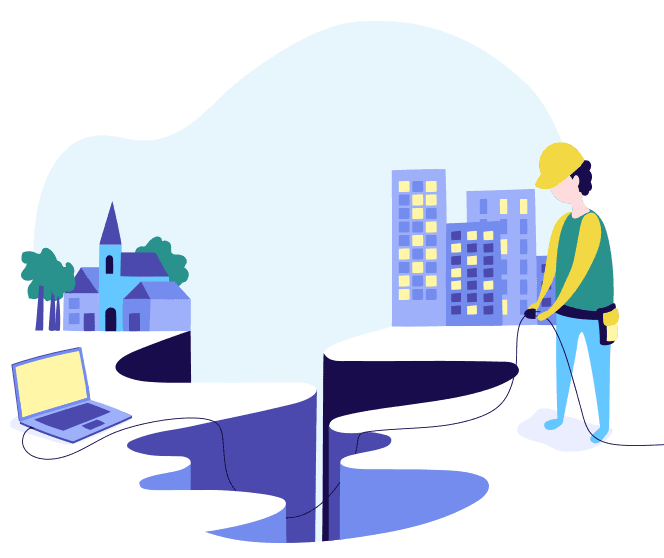
Unequal access to AI infrastructure and training deepen global inequalities. A gap opens up between countries, groups and individuals who have access to the benefits of AI and those who suffer from its consequences and externalities.

AI systems pose significant human rights risks all along their supply chain: exploitation, privacy violations, discrimination, threats to democratic processes and infringements on human dignity and autonomy.

A situation where governments or institutions face weakened authority, social unrest, or conflict. Political instability can be fueled by climate change, economic inequality, forced migration, or the spread of misinformation — and can be worsened by technologies that deepen polarization or undermine trust in democratic systems.

AI, particularly generative AI, accelerates the material obsolescence of computing equipment and generates electronic waste that is difficult to recycle. The outsourcing of its management exacerbates environmental inequalities and exposes populations—especially in the Global South—to health risks.

An ideology that sees technological progress as the primary solution to global challenges, including the environmental crisis. Promoted by powerful actors like GAFAM, techno-optimism often overlooks social, political, and ecological complexities — reinforcing the idea that innovation alone can replace systemic change.
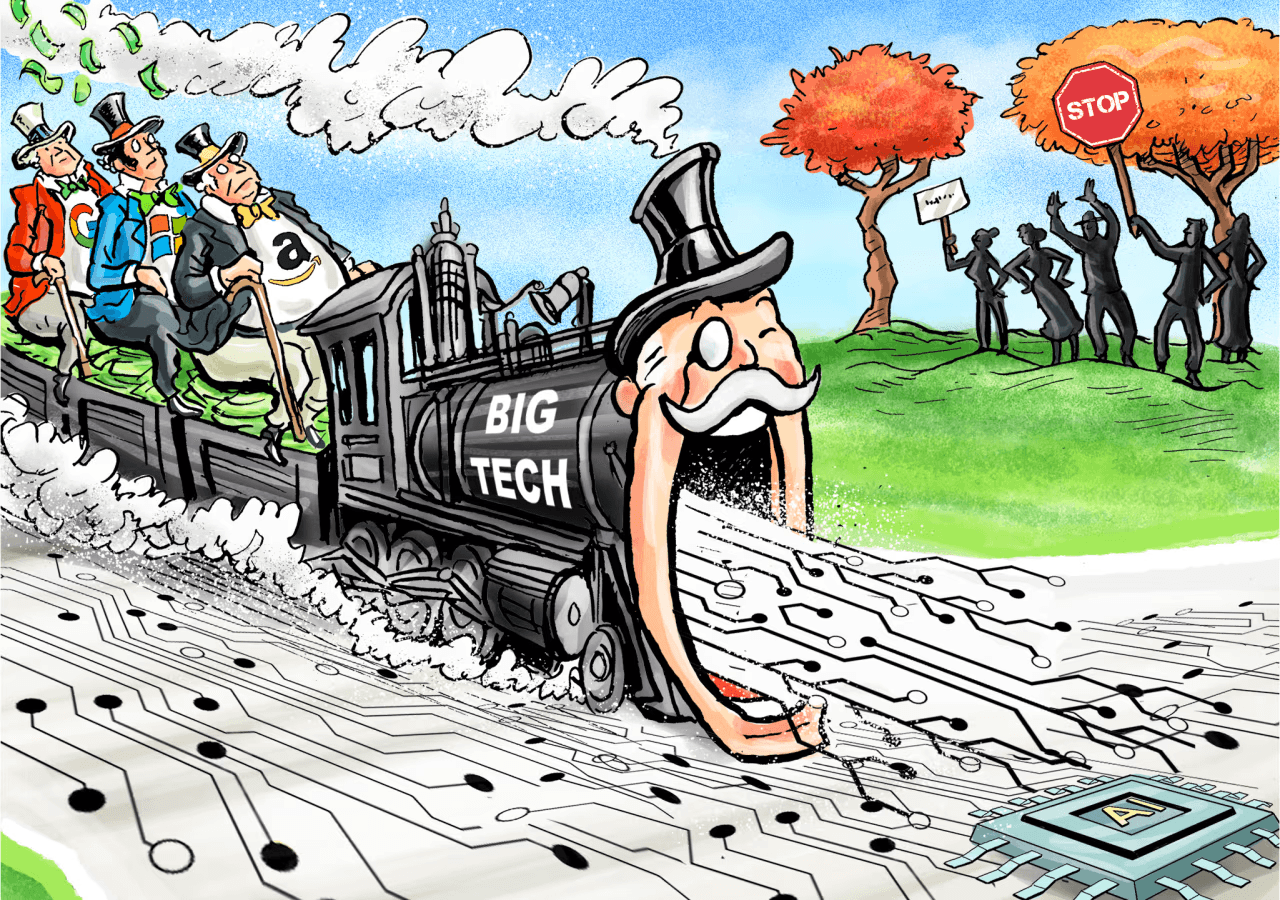
Capitalism, an economic system based on private ownership of the means of production and profit-driven competition, has evolved in the digital era. GAFAM control data, digital infrastructures, and algorithms, monetizing user information while AI reshapes markets and labor for corporate profit maximization.
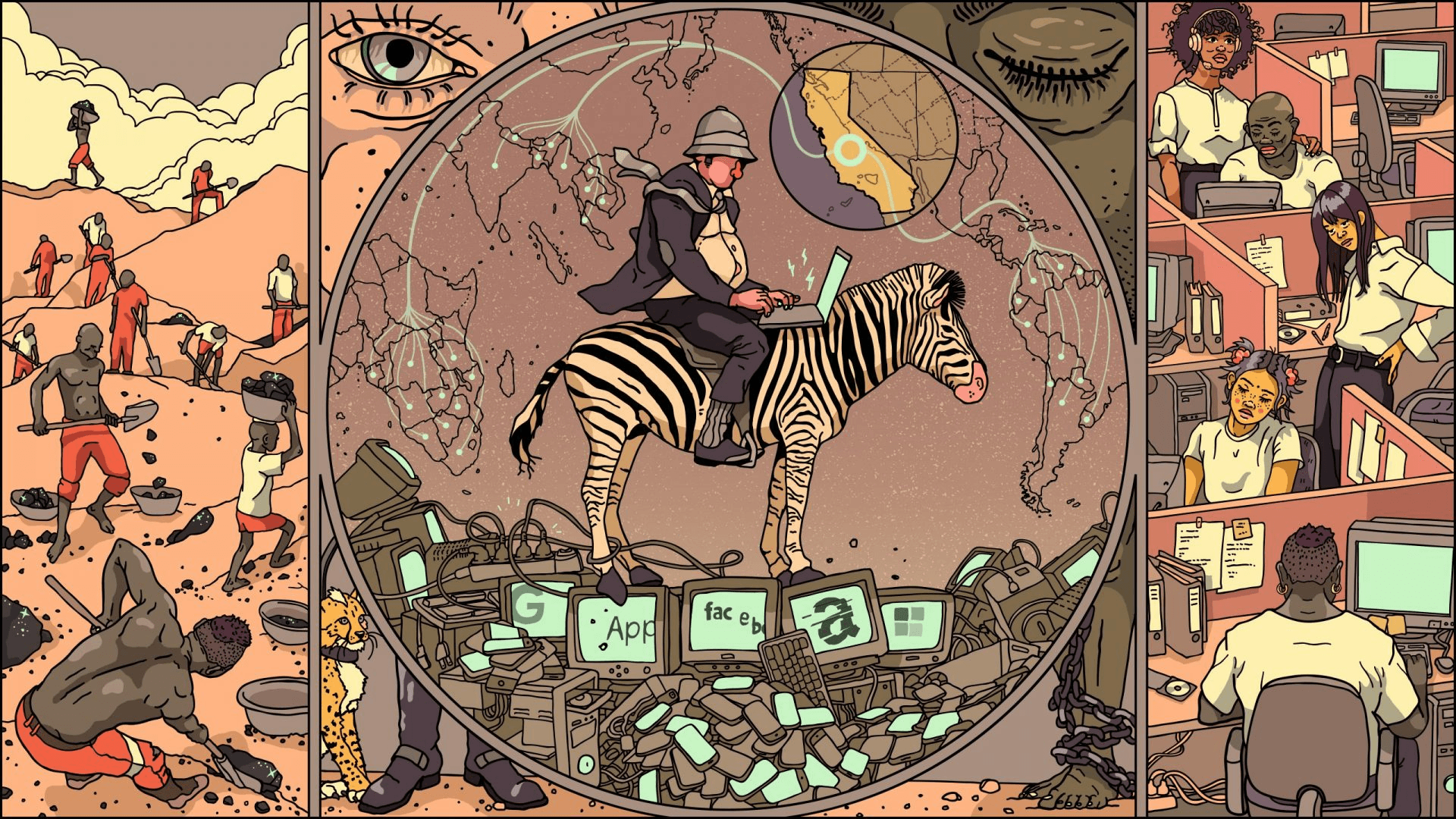
Colonialism can be understood as an ongoing process of extraction and control, defined by a logic of racism, elimination, domination and dehumanization. Today, this logic extends to data and digital infrastructures, as AI systems depend on exploitative access to data, labor, and minerals—often from the Global South—reproducing global inequalities rooted in colonial histories.